






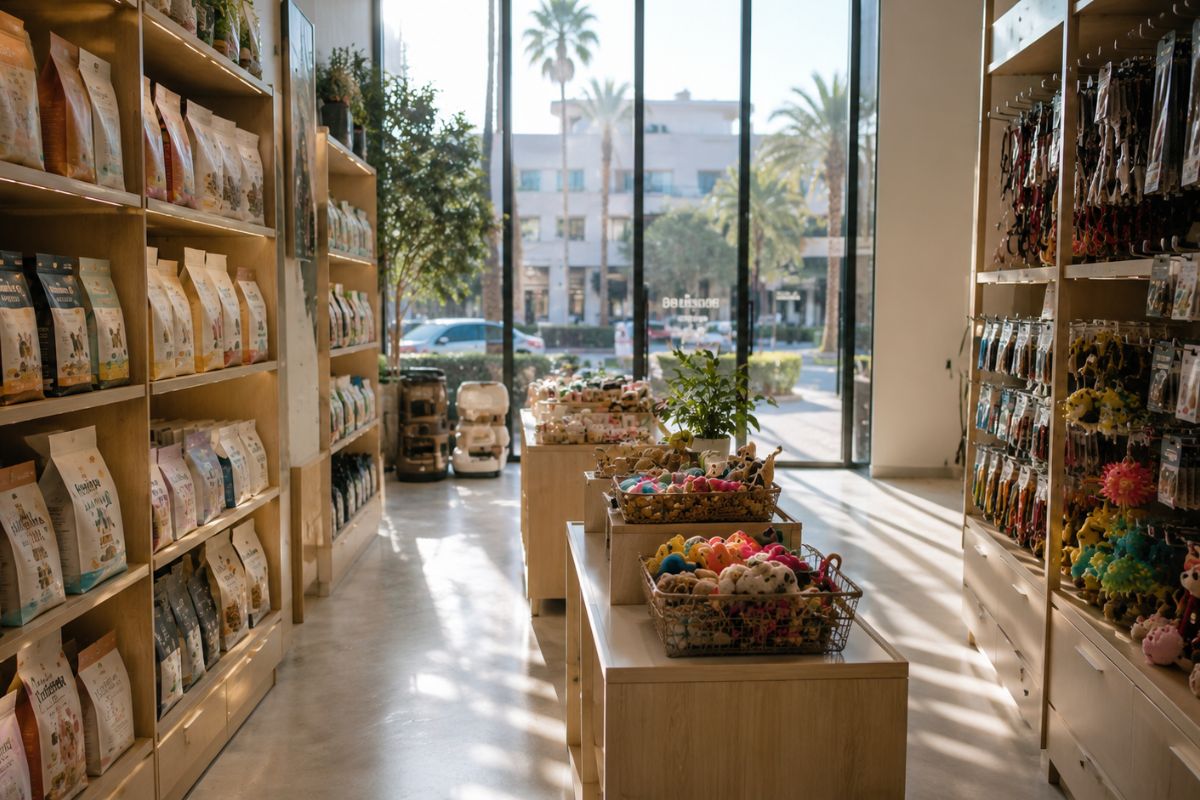
Standfirst: As residents leave for holidays, UAE pet food wholesale demand shifts from neighborhood shops to commercial boarding kennels across the emirates.
The August Ghost Town
By the second week of July, store managers in Mirdif and Dubai Marina watch their daily customer counts drop. Their regular pet owners have packed their bags and left the country for summer holiday. At the same time, commercial boarding kennels in Al Quoz and DIP turn away dozens of callers every day.
News reports from September 2018 show that Animal Care Centre in Sharjah experienced a 50 per cent jump in summer bookings. Their kennels operated at maximum capacity during those months. The pets have not left the country, but they have changed their address.
Why does retail cash flow drop?
Independent shop owners face a severe cash flow drop during the summer exodus because walk-in sales freeze for 60 days. Average days sales outstanding expands from 38 days in February to 64 days by August. This delay forces 50 tracked retail stores to stretch payment terms.
Walk-in sales drop as regular neighborhood customers travel abroad. High-margin accessories and specialty treats sit untouched on retail shelves. This annual drop in foot traffic creates a serious cash flow problem for retail store owners.
Days sales outstanding measures how long shops take to pay bills. Shop owners must stretch their payment terms just to keep their doors open. This financial delay ripples up the entire distribution chain before autumn begins.
Wholesale Demand Shifts to Kennels
This seasonal disruption is visible long before the school term ends. Wholesale order data from Pets Club General Trading LLC tracks B2B supply distribution. This data shows bulk food purchases by commercial accounts rise dramatically in July. We see a complete inversion of the supply chain in the third quarter, says Abhilash, Operational Manager at the distributor.
During February and March, independent shops buy 72 per cent of total food tonnage. Kennels buy only 28 per cent during those winter months. Total market food consumption drops by 11.4 per cent over the summer. This proves that the sell-through demand simply changes delivery addresses.
Wholesale orders for 1.5kg to 3kg retail bags fell by 41.3 per cent between February and August. This volume dropped from 18,400 to 10,800 units, according to the internal distributor logs. Orders for 12kg to 18kg bulk bags increased by 70.5 per cent during the third quarter. These sales rose from 2,100 to 3,580 units across the network.
Commercial kennels also buy far more cleaning supplies to handle full capacity. Sanitation liquid orders increased by 120.9 per cent in July, rising from 1,150 to 2,540 liters. Commercial clumping litter volume rose by 81.7 per cent during the same period. This volume moved from 14.2 to 25.8 metric tons based on the sample data.
How to calculate inventory limits?
Retail buyers should cut small dry food bag orders by 35 to 40 per cent starting in mid-June to survive the summer dip. Meanwhile, boarding facilities must order 2.2 times their baseline volume of government-approved disinfectants, according to 2026 industry compliance reports. They need this extra volume to maintain legal hygiene standards.
Buying less retail inventory protects working capital, which is the money a business needs for daily operational costs. Store managers who lower their orders early avoid holding expired stock when September arrives.
Kennel operators face a very different operational challenge. Facility managers must store bulk chemical orders carefully to remain compliant with local laws. Storing bulk chemicals in unapproved or uncooled secondary rooms risks heavy fines or immediate closure during municipal checks.
The Ministry of Climate Change and Environment, known as MOCCAE, closed 31 pet facilities in July 2026 based on official government reports. These closures occurred after inspectors found serious welfare and storage violations.
The Rise of Villa Sitters
In-home pet sitters offer an alternative to traditional commercial kennels. Platforms like Pawland allow sitters to care for animals directly inside the owner’s home. Supporters argue this option gives pets more freedom than staying in a kennel.
This trend alters where pet food is delivered during summer months. When owners hire house sitters, they buy standard retail food bags before leaving or order them online. Home delivery keeps a small portion of retail demand alive in residential areas.
However, this consumer activity does not stop the primary shift toward bulk kennel orders. The wholesale volume data clearly proves that commercial boarding facilities absorb the vast majority of the supply chain tonnage.
Surviving the Summer Season
Surviving the summer exodus comes down to tracking animal locations rather than overall market size. Food demand does not disappear from the emirates during July and August. It simply moves from neighborhood shop shelves into commercial facility storage rooms.
Retailers who adjust their purchasing early protect their cash balances for autumn. Store owners who reduce small-bag stock in June avoid holding dead inventory through August. They enter September with clear shelves and capital ready for winter restocking.
Frequently Asked Questions
What causes the drop in UAE retail pet food sales during summer? Retail sales drop because regular pet owners leave the country for summer holidays between July and August. Independent shop walk-in traffic freezes completely. This annual exodus leaves premium retail food bags and accessories untouched on shelves for 60 days, severely straining store cash flow.
Why do bulk pet food orders increase in July? Bulk orders increase because commercial boarding kennels reach maximum capacity. These facilities shift their purchasing to 12kg to 18kg breeder bags to manage high daily feeding density efficiently. Kennels consume 70.5 per cent more bulk food during this summer period compared to winter.
Do pet boarding facilities require special supplies in summer? Yes, boarding facilities require significantly more sanitation supplies during peak occupancy. Kennels order 120.9 per cent more disinfectants in July to maintain strict hygiene standards mandated by MOCCAE regulations. Facility managers must store these bulk liquids in approved, climate-controlled rooms to avoid closure.
Methodology Note: Order volume figures are based on aggregated B2B distribution data comparing the February 1 – March 31 winter baseline against the July 1 – August 31 summer period. The sample includes 50 independent retail accounts and 30 commercial boarding accounts in the UAE during 2024 and 2025. Data was anonymised by account type to protect individual facility identities. The figures measure wholesale unit movement, not consumer point-of-sale revenue.