






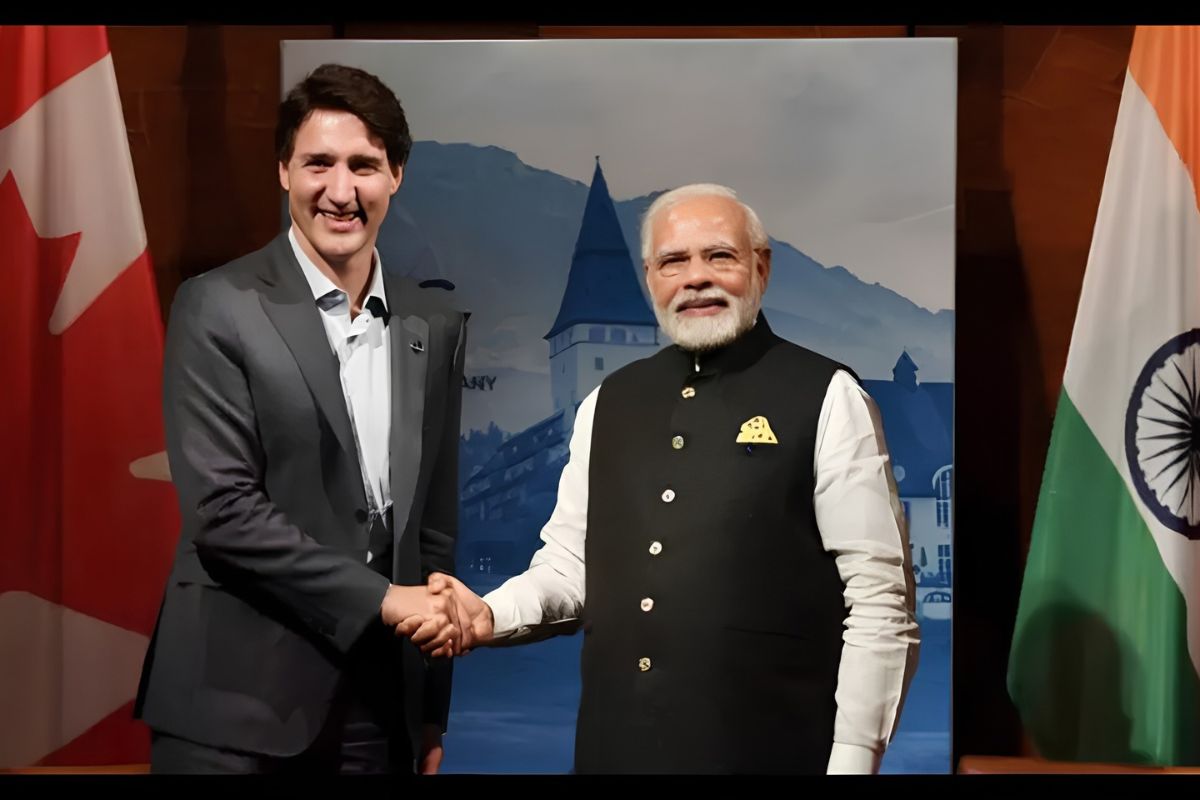
The Carney government authorized the historic Canada-India trade mission by issuing internal directives that strictly separate economic negotiations from the 2023 assassination intelligence file. This bureaucratic firewall allows Canadian trade officials to pursue a $70 billion economic target while law enforcement conducts its criminal investigation entirely independently.
How Did Global Affairs Structure the Canada-India Trade Mission?
Global Affairs Canada structured the current trade talks using deliberate compartmentalization that legally separates economic goals from national security disputes.
According to two senior Global Affairs insiders who spoke on the condition of anonymity, internal memos circulated in early 2026 explicitly barred trade negotiators from referencing the diplomatic freeze or ongoing national security disputes during bilateral meetings.
These directives instructed diplomats to advance the Comprehensive Economic Partnership Agreement (CEPA), a proposed free trade pact between the two nations, without cross-referencing the security disputes. The firewall insulates the nearly 300-member business delegation from the intelligence apparatus.
When asked about this decoupling strategy, the Prime Minister’s Office and Minister of International Trade Maninder Sidhu maintained a unified stance. A spokesperson for Sidhu’s office stated that constructive economic engagement and the push to double trade to $70 billion by 2030, according to government targets, are standard diplomatic practices. They maintain this approach does not preclude Canada from pursuing justice through independent legal channels.
Why Did Ottawa Change Its Diplomatic Language?
Ottawa altered its public messaging by removing terms like “transnational repression” to signal that it will not use trade talks to address political grievances.
A review of speeches, press releases, and parliamentary remarks by Prime Minister Mark Carney and Minister Sidhu from late 2025 through October 2026 reveals a stark departure from the previous administration’s language.
The term “transnational repression,” a staple in late-2023 government communications, vanished entirely from bilateral economic statements over the past twelve months. This specific rhetorical shift signals to New Delhi that Canada will not use the current Team Canada Trade Mission as a platform for political grievances, clearing the path for the business delegation to visit Mumbai and Bengaluru.
Are the RCMP and CSIS Investigations Still Active?
The criminal probes into the 2023 assassination remain fully active and are entirely insulated from the ongoing economic negotiations.
The Royal Canadian Mounted Police (RCMP), Canada’s federal law enforcement agency, and the Canadian Security Intelligence Service (CSIS), the national intelligence agency, maintain active investigations into the 2023 assassination.
A federal intelligence official confirmed off the record that the assassination probe has not been deprioritized. “We follow the evidence, not the trade schedule,” the official noted.
Law enforcement operates entirely behind the firewall. They face no mandate to stall their work to protect the $70 billion trade target or the CAD 30.4 billion existing two-way trade relationship reported by the Canadian government.
Why Did New Delhi Accept This Firewall?
India accepted the separation of trade and security to secure the foreign capital needed for its infrastructure and technology sectors.
Rather than demanding a public retraction of the initial Canadian allegations, New Delhi engaged with the trade delegation to secure incoming capital. Recent foreign direct investment (FDI) data from the Indian government indicates India’s continued need for global capital to fund its aggressive expansion.
Trade analysts point out that by accepting the Carney government’s rhetorical pivot without demanding a formal apology, India secures crucial investment in its aerospace, clean tech, and agri-food sectors. This arrangement allows both governments to resume financial ties without either side conceding its political position.
What Happens to the Trade Goals if the RCMP Lays Charges?
If law enforcement lays new charges, the bureaucratic firewall will face immediate political strain from domestic audiences in both countries.
Geopolitical risk consultants suggest that the CEPA negotiations are highly vulnerable to sudden legal escalations. If the RCMP lays new charges or unseals explosive evidence regarding the 2023 assassination in the coming months, the bureaucratic firewall will likely collapse.
Such an event would strain domestic political audiences in Ottawa and New Delhi, threatening the delicate consensus that currently prioritizes trade.
Frequently Asked Questions
How is Canada pursuing trade with India despite the 2023 assassination dispute?
The Carney government issued internal directives to build a bureaucratic firewall between Global Affairs Canada and the intelligence agencies. This allows trade negotiators to pursue a $70 billion economic target while law enforcement investigates the 2023 assassination independently.
Is the RCMP investigation into the 2023 assassination closed?
No, the Royal Canadian Mounted Police and the Canadian Security Intelligence Service maintain fully active investigations. Federal intelligence officials confirmed that their probes are insulated from the trade negotiations and have not been deprioritized.
Why did Canada stop using the term “transnational repression”?
The Canadian government removed the term from bilateral statements over the past year to signal to New Delhi that it will not use trade talks as a platform for political grievances. This rhetorical shift cleared the path for the nearly 300-member business delegation to visit India.