






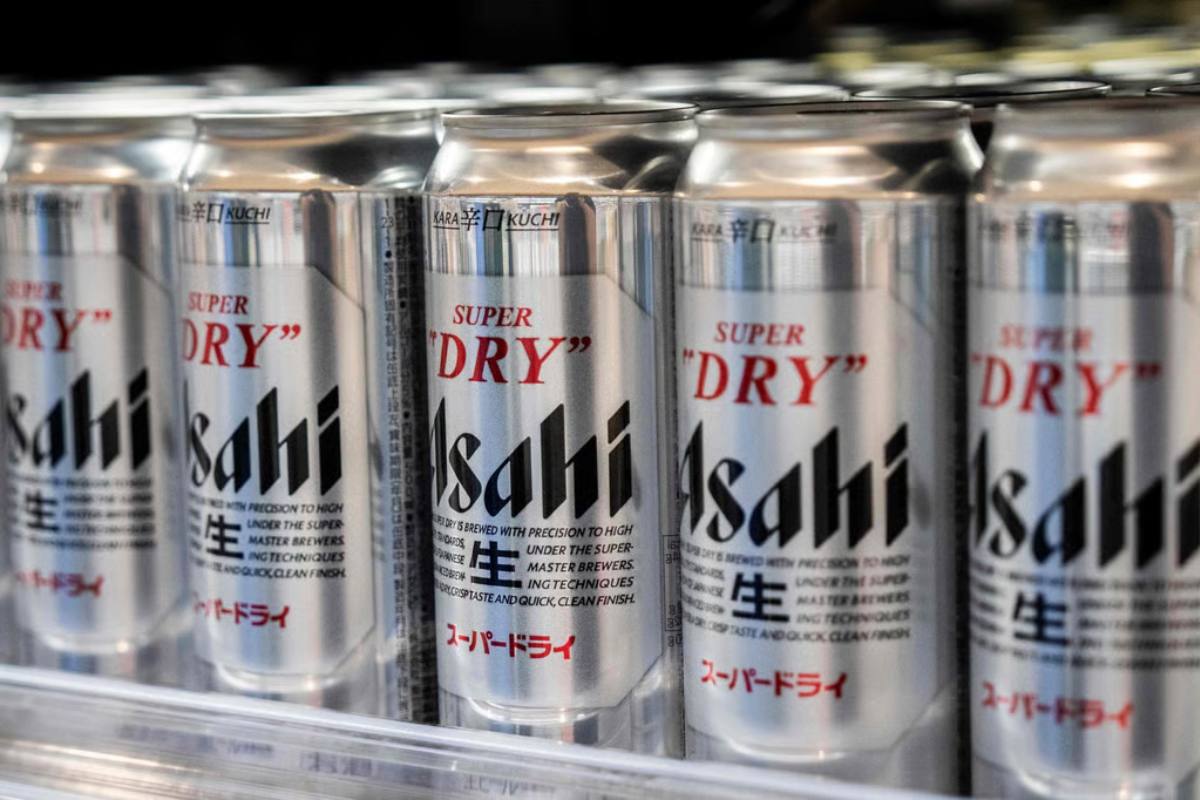
Asahi is looking into a cyberattack that may have leaked information about 1.5 million customers.
As the investigation goes on, Japan’s beer giant faces a big security test.
Asahi Group Holdings, a global beverage company best known for its beer, soft drinks, and food brands, is now working quickly to limit the damage caused by a cyberattack that may have exposed the personal information of up to 1.5 million customers.
The company says it is still figuring out the full extent of the breach, but it has already raised new concerns about corporate cybersecurity in Japan and beyond.
A Wake-Up Call for the Drink Industry
Asahi said this week that an internal system had flagged strange network behavior, which led to the breach. It affected the company’s domestic customer management platform.
Officials say that an unauthorized third party was able to get into part of the database.
What kind of data?
This is where things get hard. The company hasn’t confirmed every category yet because investigators are still going through the logs. However, early signs point to the leaked information possibly containing:
- Names
- Addresses
- Phone numbers
- Email IDs
These are the usual details kept for product campaigns, membership programs, and customer inquiries.
An Asahi spokesperson, who sounded calm but clearly worried, said:
“We’re still looking into it, but yes, it’s possible that up to 1.5 million records were seen or taken. We want our customers to know that we are taking this very seriously.”
A break.
Then they said:
“We don’t want to downplay anything. That’s one too many if this hurts even one customer.”
When Did the Cyberattack Happen, and How?
Asahi found problems in early November, but investigators now think the breach may have started a little earlier.
The order, based on the company’s first timeline, is as follows:
- Internal alerts showed that there was strange traffic on the server
- Immediate steps to contain the problem: turning off the affected system temporarily
- Called in outside experts on cybersecurity
- Data extraction may be possible
- Started getting ready to tell customers
Cybersecurity experts say that the incident fits the pattern of credential theft or exploited vulnerabilities, which are two of the most common ways that Japanese companies have been hacked in the past few years.
But Asahi hasn’t said for sure if malware, phishing, or weak servers were to blame.
Experts say that the fact that the intrusion got past at least one layer of security is a reminder that even companies with otherwise mature systems can suddenly have security holes.
Why This Breach Is Important: It’s Asahi
Asahi is a big deal. Millions of people in Japan, Europe, Oceania, and parts of Asia buy its products.
Its loyalty programs and advertising campaigns gather a lot of information about customers, which is the kind of information that cybercriminals often use to steal identities or run targeted scams.
Because of this, the risk of exposing 1.5 million customer records is high, even if some of them are duplicates or old records.
A cybersecurity researcher in Tokyo told Truthupfront:
“Sure, hackers often target government, finance, or healthcare systems, but brands that sell to consumers have a lot of personal information. When a hacker finds a hole in a big company’s systems, they grab whatever they can get right away.”
Customer Reactions: Worried but Waiting for Answers
Online, Japanese customers responded quickly. Some people were angry, while others just wanted to know what was going on.
A regular participant in Asahi’s promotional contests wrote on X (formerly Twitter):
“I don’t even remember signing up for anything, but now I’m curious about what information they had in their system. Businesses should be more open about what they keep.”
Another user said, with a hint of resignation:
“There’s a new breach every week. I just hope they tell us the truth at this point.”
People aren’t shocked anymore; they’re just tired. This is a common feeling these days.
Asahi’s First Reaction: Contain, Apologize, Assure
Asahi did the right thing by quickly admitting the breach in public instead of letting rumors fill the gap.
The company also said sorry and noted it “deeply regrets any concern or inconvenience caused.”
Current actions include:
- Locking down the system that was hacked
- Making server security controls stronger
- Hiring outside security auditors
- Working together with the Japanese government
- Getting ready to notify people who are affected
- Setting up inquiry forms and customer hotlines
Asahi said that there is no proof that the exposed data has been misused yet, but experts often say that misuse can show up weeks or even months later.
Japan’s Corporate Cybersecurity Issue… Again
Japan has seen a big rise in cyberattacks on major businesses and government institutions. These include:
- Toyota suppliers
- Lawson convenience stores
- Many hospitals
- Tokyo’s metro transit partners
- Financial firms and universities
Attack types include ransomware, data extraction, and supply-chain infiltration.
Attackers often target globally connected companies because customer datasets are extremely valuable on dark-web marketplaces.
Since 2022, cybercriminal groups based in Russia, Eastern Europe, and Southeast Asia have intensified attacks on Japanese corporations.
One analyst summed it up:
“Japan is a goldmine for data. There are a lot of digital records, but the country has been slow to adopt cutting-edge cybersecurity practices.”
What Data Might Be in Danger?
Asahi is still working out the details, but its customer system usually stores:
- Full names
- Home addresses
- Email addresses
- Mobile or landline numbers
- Dates of campaign participation
- Customer service inquiries
- Survey responses
The company currently thinks the affected dataset does not include:
- Financial information
- Passwords
- Credit card numbers
However, even basic personal information can be used for:
- Targeted phishing
- Fake customer service scams
- Identity profiling
- Social engineering attacks
In other words, the risk is real.
Next Steps: Regulators Could Get Involved
Japan’s Personal Information Protection Commission (PPC) typically requires businesses to report any major data breach.
The watchdog may investigate whether:
- Asahi had adequate cybersecurity measures
- There were delays in detecting the breach
- Proper reporting procedures were followed
Depending on findings, regulators can issue warnings or administrative penalties.
Companies have been penalized in the past for not protecting customer data properly.
So far, no action has been taken, but analysts expect the PPC to request a full incident report.
Experts Call for Bigger National Reforms
In Japan’s corporate world, data breaches often spark debates about outdated IT systems and a lack of investment in cybersecurity teams.
A Tokyo analyst said:
“Many Japanese businesses, especially older ones, still use systems that aren’t built for today’s threats. They fix things only when they break. We need a culture shift—from compliance to resilience.”
Cybersecurity experts say this “culture shift” is overdue.
How Customers Can Protect Themselves
Experts recommend that anyone who has interacted with Asahi online should:
- Be careful of unexpected emails claiming to be from Asahi
- Verify customer service calls
- Avoid clicking on unfamiliar promotional links
- Check email accounts for odd activity
- Change passwords if reused across different accounts
Breaches often trigger phishing waves, sometimes months later.
Inside Asahi: Are Employees Also Affected?
Sources say investigators are checking whether employee data was accessed, a standard step after any network intrusion.
A cybersecurity expert explained:
“Once an attacker gets into any part of the system, they usually scan sideways. We call it moving sideways. So you always check everything, not just the first target.”
Asahi hasn’t confirmed whether staff information was compromised.
Employees have been warned and advised to stay alert.
The Big Picture: Cybersecurity in the Age of Technology
Such attacks aren’t isolated events.
They’re part of a global surge in breaches affecting companies that collect customer data, which, in 2025, is nearly everyone.
The uncomfortable truth:
Data breaches have become another cost of being digital.
Companies modernize with cloud systems and online platforms, but exposure increases if defenses don’t evolve at the same pace.
This breach is more than a technical issue for Asahi — it’s a trust issue.
What Will Happen Next for Asahi
In the coming weeks, customers can expect:
- Direct notification if their data was exposed
- A public report summarizing the investigation
- Additional security measures, possibly including two-factor authentication
- Updated advisories if misused data surfaces
Asahi must balance transparency with accuracy — a challenge many companies face after breaches.
A Company Under Pressure, But Promising Action
Asahi stated:
“We are very sorry for any worry this possible leak may cause. Our teams are working around the clock with outside experts to find out what happened, stop it from happening again, and responsibly let affected customers know.”
The investigation may take weeks or months.
But one thing is clear:
Cybersecurity is now at the top of Asahi’s priority list.
Last Word: A Trust Test
Customers are waiting.
Regulators are watching.
And Asahi is working to fix the breach, measure the damage, and restore trust.
The company’s response, clear, quick, and complete, will determine how the story ends.
Trust, in today’s connected world, isn’t just a promise.
It’s a type of currency.
And companies rarely get a second chance once they lose it.