






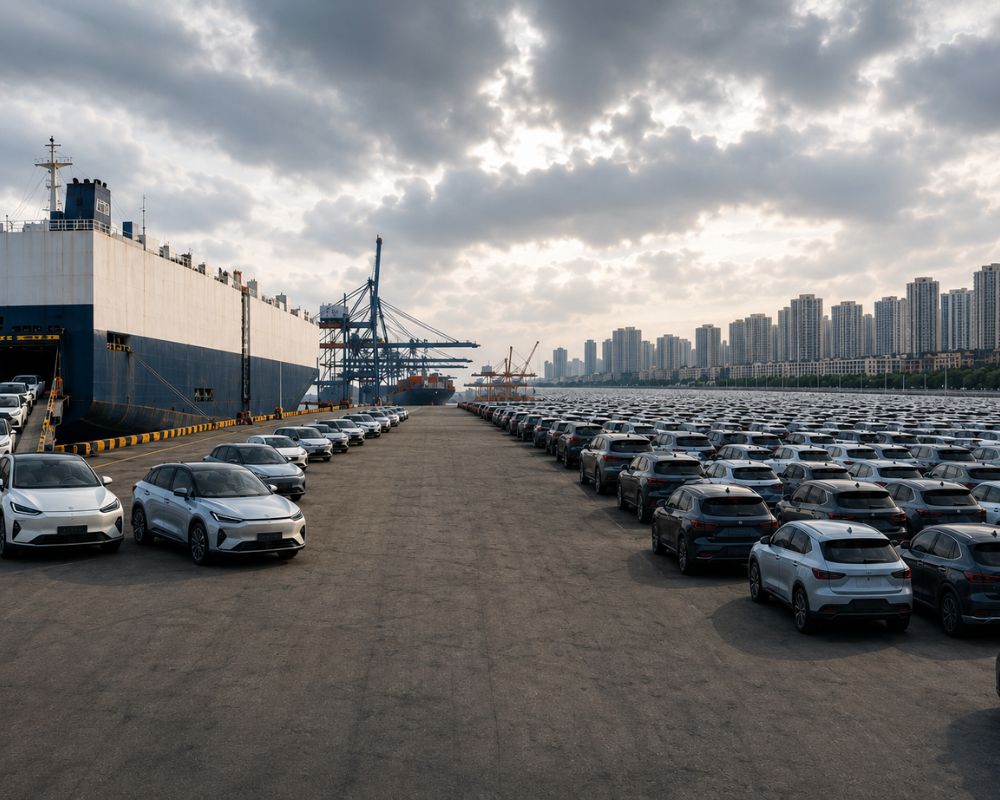
Chinese electric vehicles are not selling as quickly as export numbers suggest. While Chinese EV exports reached record highs in 2026, cross-referencing customs data with local motor vehicle registries reveals that thousands of exported cars sit unregistered in foreign ports due to impending tariff deadlines rather than immediate consumer demand.
Why Do Chinese EV Export Numbers Exceed Local Registrations?
When a car leaves a Chinese port, customs counts it as an export, but it is not a finalised sale until a foreign driver legally registers it. Comparing the volume of electric vehicles shipped from China to the number of cars legally registered to drivers in target markets exposes a widening gap.
In April 2026, China exported 92,482 new energy vehicles to Brazil, according to Plataforma Media. Actual local sales proceed at a fraction of that pace. Subtracting standard shipping transit times ensures cars currently on the water are not improperly classified. The remaining number represents a surplus inventory of upwards of 70,000 Chinese EVs sitting unsold in Brazil alone, according to LiveMint.
Where Are the Unsold Chinese Electric Vehicles Sitting?
Thousands of unregistered Chinese electric vehicles currently sit idle in makeshift parking lots at major global import terminals. Roll-on/roll-off (RoRo) vehicle ports, specialized maritime facilities designed to load and unload wheeled cargo, function as temporary warehouses.
Facilities from Brazil’s Suape port to European entry points like the Port of Antwerp-Bruges have transformed into makeshift storage. Some vehicles sit idle for up to 18 months due to a lack of onwards transport, according to InsideEVs.
Chinese automakers and their regional distributors state this accumulation is intentional. They view inventory staging as a standard requirement for establishing new logistics networks to ensure rapid delivery. A car parked at a port prepares the brand for future sales, according to this defence.
What Drives the Surge in Chinese EV Exports?
Chinese automakers export vehicles aggressively because domestic production currently outpaces local demand, creating an inventory surplus at factories. This international expansion acts as a vital lifeline driven by industrial overcapacity and severe price wars inside China.
Manufacturers prioritise clearing their own factory lots. Moving the vehicles overseas shifts the inventory burden directly to regional distributors.
How Did Import Tariffs Create the EV inventory glut?
Regional distributors rushed to import vehicles to beat impending tax increases and policy deadlines, resulting in massive shipments disconnected from actual consumer demand. In Brazil, exports nearly tripled in early 2026 as automakers raced to beat a government deadline that raised import tariffs on EVs and hybrids to 35% by mid-year.
Under Thailand’s EV 3.5 policy, manufacturers must now produce two vehicles locally for every one imported in 2026. Distributors rushed to bring vehicles through customs before stricter ratios kicked in. This timing created an import spike based on tax math rather than consumer adoption curves.
What Happens to EV Batteries Sitting at Ports?
Electric vehicle batteries degrade when left uncharged for months in open-air port lots, forcing dealers to eventually cut retail prices to move aging stock. Lithium-ion battery degradation refers to the permanent loss of energy capacity and performance that occurs when cells remain idle and unconditioned over long periods.
With some cars idling at ports for over a year, the physical risk to the battery cells increases. The financial cost of this degradation falls on the local distributors holding the inventory. To move aging stock before the batteries require costly maintenance or recycling, dealers must force a distressed liquidation rather than a profitable expansion.
Frequently Asked Questions
Are Chinese EV exports equivalent to global sales?
No, export numbers only track vehicles leaving Chinese ports. Actual sales require local registration, and current data shows exports outpacing registrations by thousands of units, leaving a surplus of unsold inventory in foreign ports.
Why are Chinese electric vehicles sitting at foreign ports?
Distributors shipped massive volumes of vehicles simultaneously to beat incoming import tariffs and subsidy changes in countries like Brazil and Thailand. This created an immediate backlog at import terminals because the shipments exceeded current consumer demand.
Does sitting idle damage an electric vehicle?
Yes, leaving an electric vehicle idle for extended periods causes lithium-ion battery degradation. Vehicles parked at ports for months without charging or climate control lose battery capacity, forcing dealers to eventually sell them at heavily discounted prices.
Chinese EV Exports vs Sales: The Unsold Inventory Gap
Chinese electric vehicles are not selling as quickly as export numbers suggest. While Chinese EV exports reached record highs in 2026, cross-referencing customs data with local motor vehicle registries reveals that thousands of exported cars sit unregistered in foreign ports due to impending tariff deadlines rather than immediate consumer demand.
Why Do Chinese EV Export Numbers Exceed Local Registrations?
When a car leaves a Chinese port, customs counts it as an export, but it is not a finalised sale until a foreign driver legally registers it. Comparing the volume of electric vehicles shipped from China to the number of cars legally registered to drivers in target markets exposes a widening gap.
In April 2026, China exported 92,482 new energy vehicles to Brazil, according to Plataforma Media. Actual local sales proceed at a fraction of that pace. Subtracting standard shipping transit times ensures cars currently on the water are not improperly classified. The remaining number represents a surplus inventory of upwards of 70,000 Chinese EVs sitting unsold in Brazil alone, according to LiveMint.
Where Are the Unsold Chinese Electric Vehicles Sitting?
Thousands of unregistered Chinese electric vehicles currently sit idle in makeshift parking lots at major global import terminals. Roll-on/roll-off (RoRo) vehicle ports, specialized maritime facilities designed to load and unload wheeled cargo, function as temporary warehouses.
Facilities from Brazil’s Suape port to European entry points like the Port of Antwerp-Bruges have transformed into makeshift storage. Some vehicles sit idle for up to 18 months due to a lack of onwards transport, according to InsideEVs.
Chinese automakers and their regional distributors state this accumulation is intentional. They view inventory staging as a standard requirement for establishing new logistics networks to ensure rapid delivery. A car parked at a port prepares the brand for future sales, according to this defence.
What Drives the Surge in Chinese EV Exports?
Chinese automakers export vehicles aggressively because domestic production currently outpaces local demand, creating an inventory surplus at factories. This international expansion acts as a vital lifeline driven by industrial overcapacity and severe price wars inside China.
Manufacturers prioritise clearing their own factory lots. Moving the vehicles overseas shifts the inventory burden directly to regional distributors.
How Did Import Tariffs Create the EV inventory glut?
Regional distributors rushed to import vehicles to beat impending tax increases and policy deadlines, resulting in massive shipments disconnected from actual consumer demand. In Brazil, exports nearly tripled in early 2026 as automakers raced to beat a government deadline that raised import tariffs on EVs and hybrids to 35% by mid-year.
Under Thailand’s EV 3.5 policy, manufacturers must now produce two vehicles locally for every one imported in 2026. Distributors rushed to bring vehicles through customs before stricter ratios kicked in. This timing created an import spike based on tax math rather than consumer adoption curves.
What Happens to EV Batteries Sitting at Ports?
Electric vehicle batteries degrade when left uncharged for months in open-air port lots, forcing dealers to eventually cut retail prices to move aging stock. Lithium-ion battery degradation refers to the permanent loss of energy capacity and performance that occurs when cells remain idle and unconditioned over long periods.
With some cars idling at ports for over a year, the physical risk to the battery cells increases. The financial cost of this degradation falls on the local distributors holding the inventory. To move aging stock before the batteries require costly maintenance or recycling, dealers must force a distressed liquidation rather than a profitable expansion.
Frequently Asked Questions
Are Chinese EV exports equivalent to global sales?
No, export numbers only track vehicles leaving Chinese ports. Actual sales require local registration, and current data shows exports outpacing registrations by thousands of units, leaving a surplus of unsold inventory in foreign ports.
Why are Chinese electric vehicles sitting at foreign ports?
Distributors shipped massive volumes of vehicles simultaneously to beat incoming import tariffs and subsidy changes in countries like Brazil and Thailand. This created an immediate backlog at import terminals because the shipments exceeded current consumer demand.
Does sitting idle damage an electric vehicle?
Yes, leaving an electric vehicle idle for extended periods causes lithium-ion battery degradation. Vehicles parked at ports for months without charging or climate control lose battery capacity, forcing dealers to eventually sell them at heavily discounted prices.